


Check the Claim: Is global warming in decline?
SKILL: Check the Claim
DIFFICULTY: Challenging
SUBJECT(S): Climate change, Science
Posted: October 19, 2022
This article claims that the rate at which global temperatures have been increasing has slowed significantly over the past 20 years. Once you check the claim, though, you'll find that this information is unreliable
Link to Example
New Evidence Shows... (article)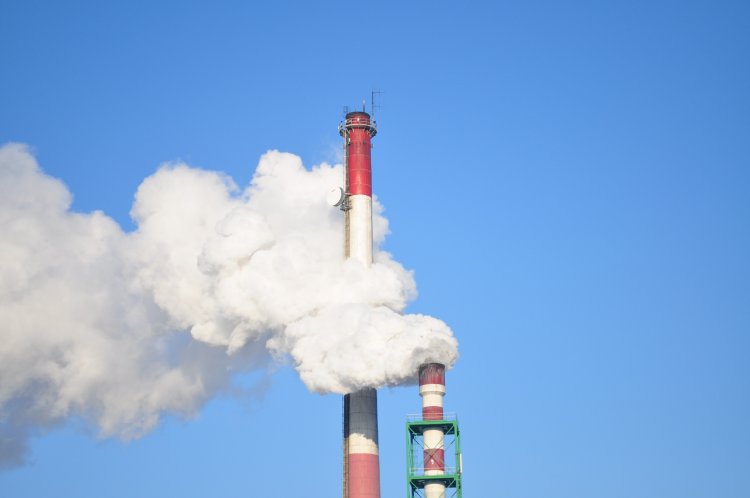
Background
The scientific consensus is that average global temperatures have been rising significantly since the beginning of the 20th century, especially over the past 40 years. It is also widely accepted that this is not simply a natural phenomenon, but is the direct result of the actions of humans.
However, not everyone accepts the consensus view, and skeptics will sometimes appeal to research in climate science as evidence that claims made by expert scientists are, in fact, wrong. But work in climate science can often be complex, and without the right kind of knowledge and expertise, it can be easy to draw the wrong conclusions from a scientific study. While it’s never a bad thing to be curious about what scientists are up to, it’s always a good idea to check with trusted experts to figure out what’s going on.
About the Example
The Daily Skeptic article calls into question the view that average global temperatures have been increasing by appealing to a recent study that presented the measurements from weather balloons since 1978. The author claims that while the data show evidence that temperatures were increasing between 1978 and 1998, this increase has mostly “paused” since then. This research is presented as a “major re-evaluation” of existing climate data, and it is claimed that it should “re-open the so-called ‘settled science’ debate around global warming.”
However, by checking the claim we can see that the article is misrepresenting the data. A fact-check in USA Today reports that the original author of the study does not make the claim that it shows that the rate of warming has decreased. A more detailed response from Climate Feedback shows exactly how the data was misinterpreted: the author of the Daily Skeptic article looked at a small set of measurements that supported his view and ignored the global trends. This claim is false.
Activities
- Have students review the Daily Skeptic article. The article is long and involves a lot of seemingly complex scientific data, so the ideas to take in just enough to get the gist of what is being suggested.
- Ask students what they think the main message of the article is. Do they find it convincing? Why or why not?
- Have students do a claim check. They can do a Google search using the title of the article, or look for keywords. Ask students to report what they found. Articles from USA Today and Climate Feedback will likely be among the top results.
Optional Discussion
- There is a lot of complex information being presented in these articles. After reading the fact checks, consider discussing the following questions with the class:
-
- Why do you think people would find the original article convincing?
- Did you find any other sources that repeated the same misleading information?
- What are the best sources to go to when looking for information about climate change?
Review and Discuss Key Concepts (Optional)
- Discuss the concept of confirmation bias: the bias all people have to seek out information that confirms what we already believe, and ignore information that contradicts it. How might confirmation bias be at play in this example?
- The fact-checking websites accuse the author of the Daily Skeptic article of cherry-picking scientific data — the practice of focusing on very specific results that support your views while ignoring most of the other data. Can you identify how, exactly, the author of the Daily Skeptic article engaged in cherry-picking?
Related Resources
- LESSON: Verification Skills Lesson 3: Check the Claim
- VIDEO: Check the Claim (2:18 minutes)
- VIDEO: Skill: Check Other Sources (6:18 minutes)
- VIDEO: Skill: Advanced Claim Check (4:52 minutes)